

Systematic mineral collection
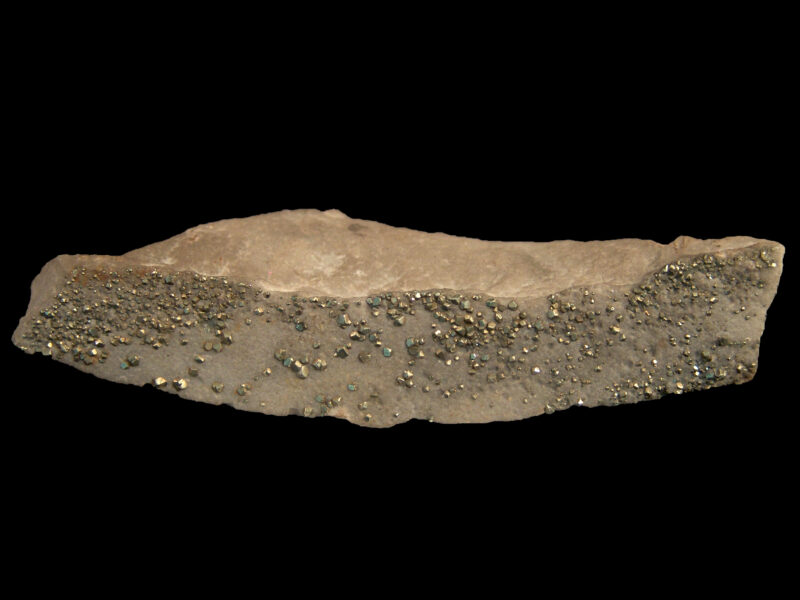
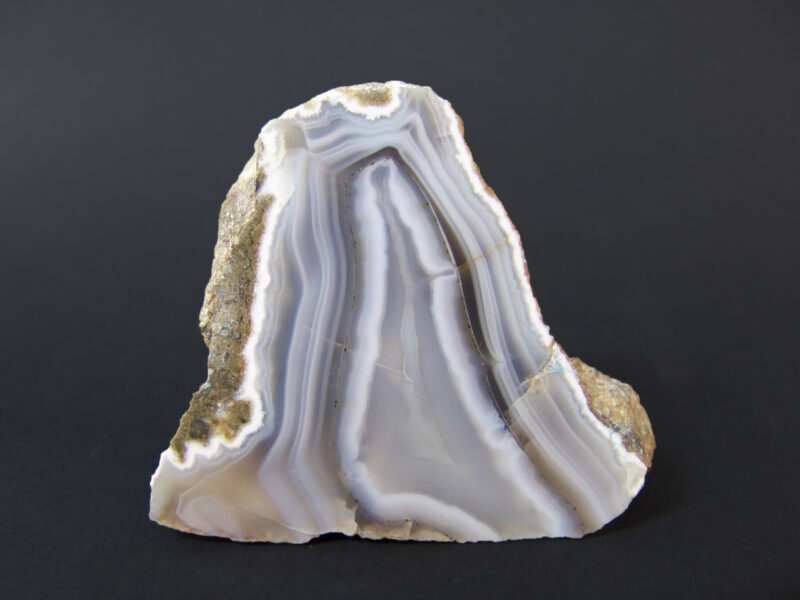
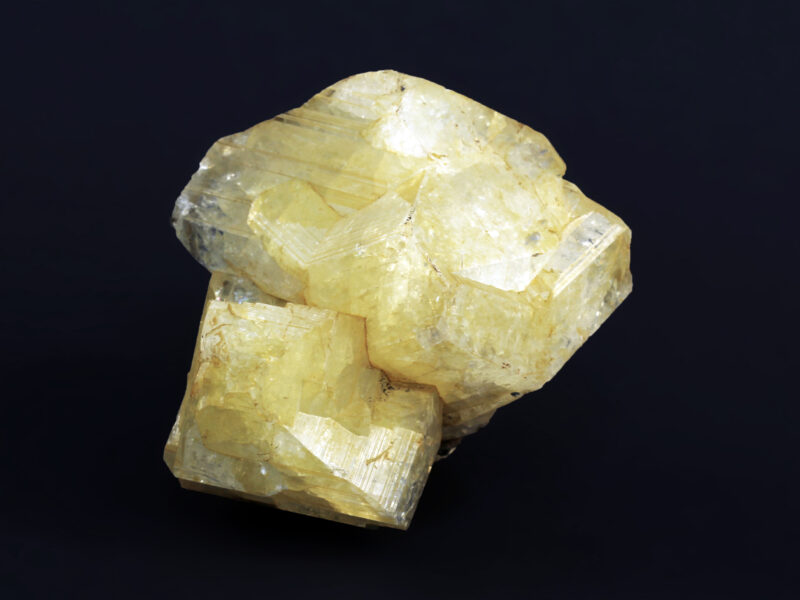
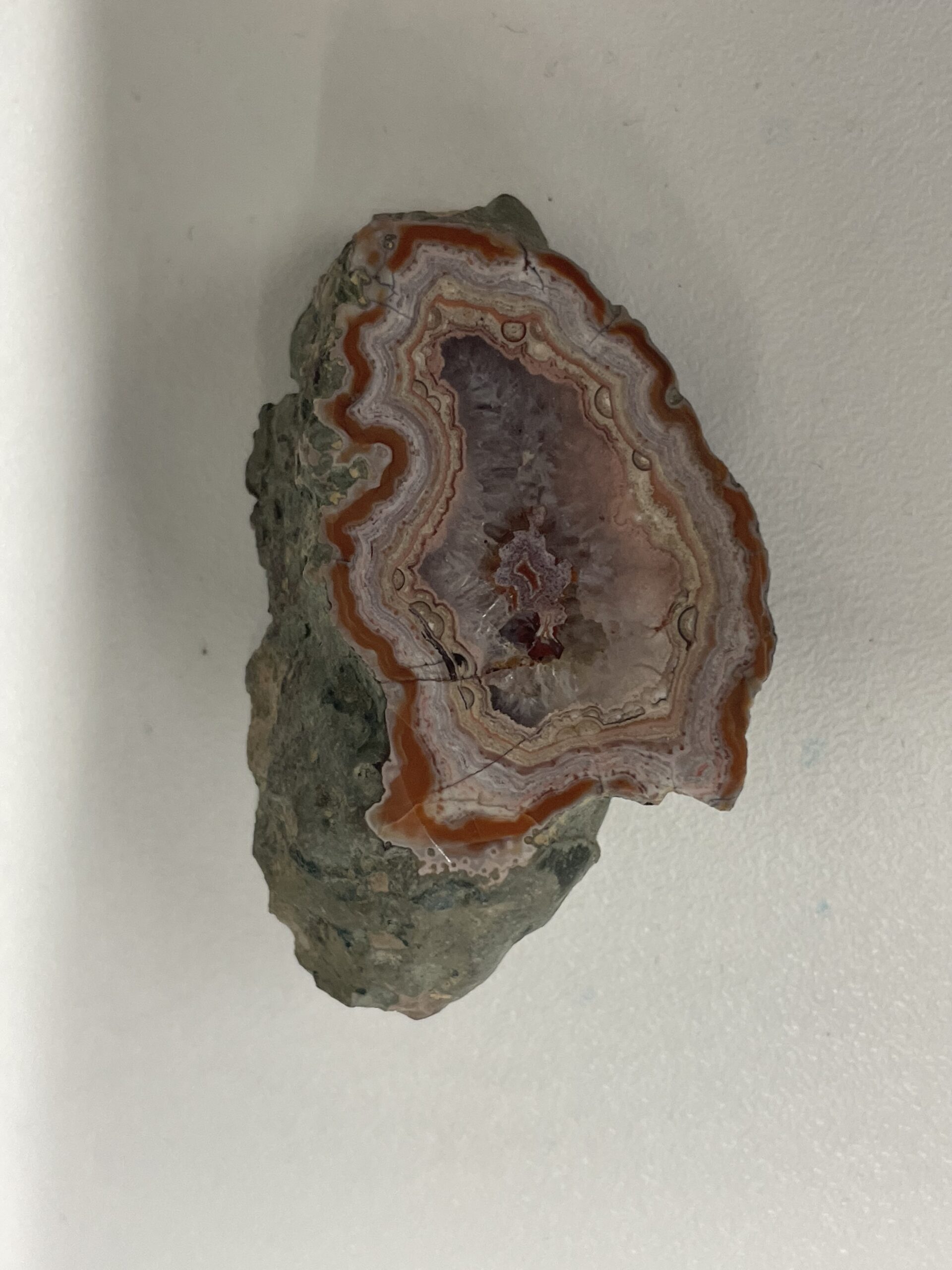
The systematic mineral collection is the largest collection of the Mineralogical and Petrographic Department of the Croatian Natural History Museum and includes mineral species representing all 13 classification classes distinguished on the basis of chemical and structural affinities of minerals. The modern systematics or classification of minerals is based on Berzelius’s chemical classification of minerals, which, after the discovery of X-rays and the resulting understanding of the internal structure of minerals, was further developed by the German mineralogist Karl Hugo Strunz. According to this principle, minerals are divided into classes based on the dominant anion or anionic group. All known minerals are classified into thirteen classes: I. native elements, II. sulfides, III. sulfosalts, IV. oxides and hydroxides, V. halides, VI. carbonates, VII. nitrates, VIII. borates, IX. phosphates, arsenates and vanadates, X. sulfates, XI. tungstates and molybdates, XII. silicates, XIII. organic compounds.
The special value of this collection lies in the diversity of mineral species, the variety of crystal forms of individual mineral types, and the representation of some of the world’s most famous localities. It is largely also a historical collection, as the first specimens were collected as early as the first half of the 19th century during the period of the Croatian National Revival. Numerous prominent figures took part in collecting minerals, such as the writer Antun Mažuranić, the Archbishop of Zagreb Juraj Haulik, the founder of the Economic Society Pavao Hatz, the pioneer of petrographic research Ljudevit Vukotinović, and the leader of the Illyrian Movement Ljudevit Gaj.
Collection Curator: Biserka Radanović-Gužvica